October 24, 2026
Visiting an orthodontist for the first time can feel exciting, especially if you are considering treatment to improve your smile. Whether you are exploring braces for your child or researching clear aligners for yourself, understanding what happens during an initial consultation can make the experience more comfortable. Your first appointment is an opportunity to learn about your dental alignment, discuss potential treatments, and receive personalized recommendations from an orthodontic professional.
A visit to an orthodontists office typically involves a comprehensive evaluation of your teeth, jaw, and bite. Unlike a routine dental appointment, an orthodontic consultation focuses specifically on how your teeth fit together and whether adjustments could improve their function and appearance. Knowing what to expect can help you feel confident about making decisions regarding your orthodontic care.
Understanding the Initial Consultation Process
Your initial consultation begins with a discussion about your dental history, current concerns, and treatment goals. The orthodontic team may ask about previous dental procedures, ongoing oral health conditions, and any discomfort associated with your bite. This information helps establish a foundation for evaluating your orthodontic needs.
The atmosphere at an orthodontists office is generally welcoming and focused on patient education. Staff members understand that many patients are unfamiliar with orthodontic procedures, so they take time to explain the consultation process. You should feel comfortable discussing your concerns and asking questions about potential treatments.
Reviewing Your Dental and Medical History
Before recommending orthodontic treatment, the orthodontist needs a clear understanding of your overall dental and medical background. Your medical history may reveal conditions, medications, or previous procedures that could influence treatment planning. Information about existing dental restorations, gum health, and previous orthodontic experiences may also be relevant.
The orthodontic team may review details provided during appointment registration and discuss anything requiring additional clarification. For younger patients, this conversation may include questions about dental development, oral habits, and family observations regarding tooth alignment.
Adults may have different considerations, including existing crowns, missing teeth, or previous dental work. Orthodontic care is not limited to children and teenagers. In fact, according to Rank My Dentist, more than 1.5 million adults begin orthodontic treatment annually. This reflects the continued interest among adults seeking improvements in dental alignment and oral function.
Examining Your Teeth and Bite Alignment
A comprehensive examination is an important part of the initial appointment. During this evaluation, the orthodontist examines the position of your teeth, the relationship between your upper and lower jaws, and the overall alignment of your bite.
At an orthodontists office, this examination helps identify issues that may not be immediately noticeable when looking in the mirror. For example, teeth might appear relatively straight while the bite requires correction.
The orthodontist will explain any findings and discuss whether treatment could provide meaningful benefits. If additional dental care is necessary before beginning orthodontic treatment, those recommendations may also be addressed.
Evaluating Your Smile With Diagnostic Imaging
Diagnostic imaging often provides valuable information during orthodontic consultations. Depending on your needs, the orthodontist may recommend digital X-rays, photographs, or digital scans to examine dental structures more closely.
These images can reveal tooth positions beneath the gums, jaw relationships, and other details that cannot be fully evaluated through a visual examination alone. They also help determine whether particular treatments are suitable for your dental anatomy.
Digital scans may be used to create detailed representations of your teeth without relying on traditional impression materials. However, the specific diagnostic methods used will depend on the practice and your individual circumstances.
An orthodontists office may also use photographs to document your smile and facial profile before treatment begins. These records can support treatment planning and allow your orthodontic team to evaluate changes throughout the process.
Exploring Your Available Orthodontic Treatment Options
After reviewing your examination results, the orthodontist will discuss treatment options that may address your alignment concerns. Recommendations depend on several factors, including the complexity of your bite, your oral health, and your personal preferences.
Traditional braces remain a widely used treatment for correcting various alignment problems. They gradually move teeth into improved positions through a system of brackets and wires. Other options may include ceramic braces or clear aligners, depending on the patient’s orthodontic needs.
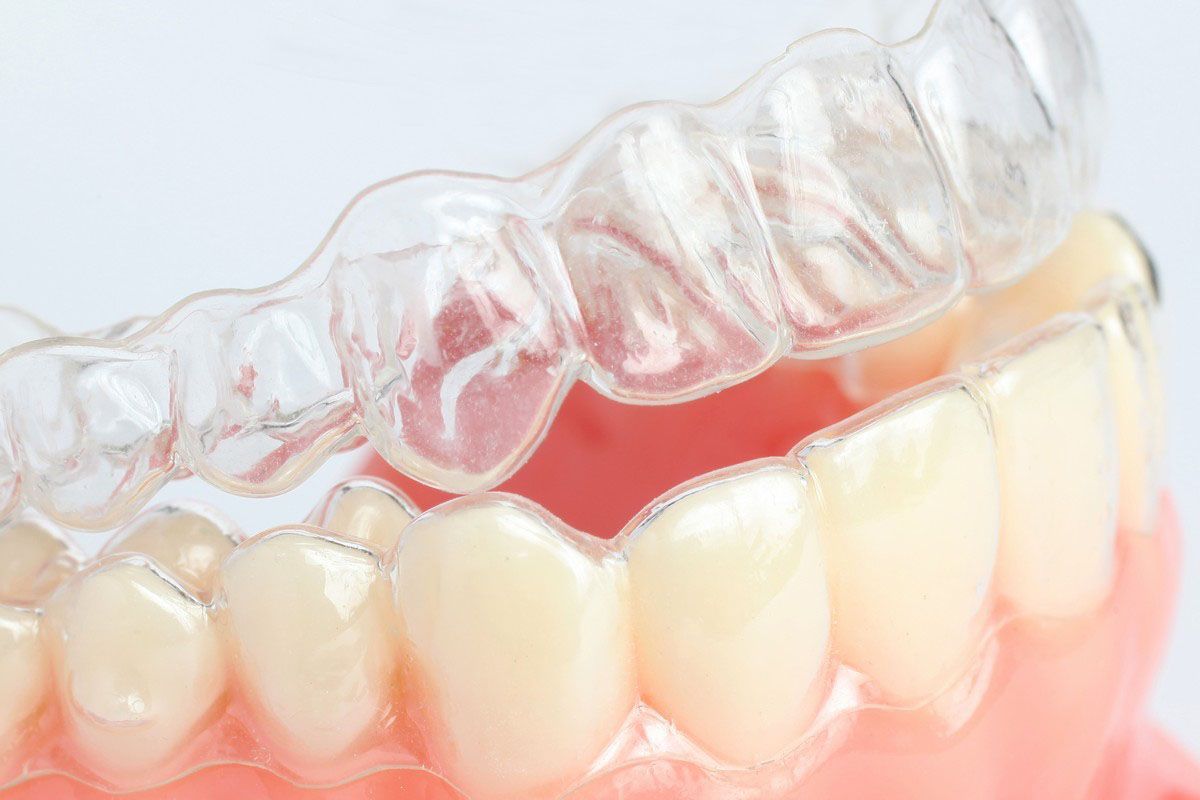
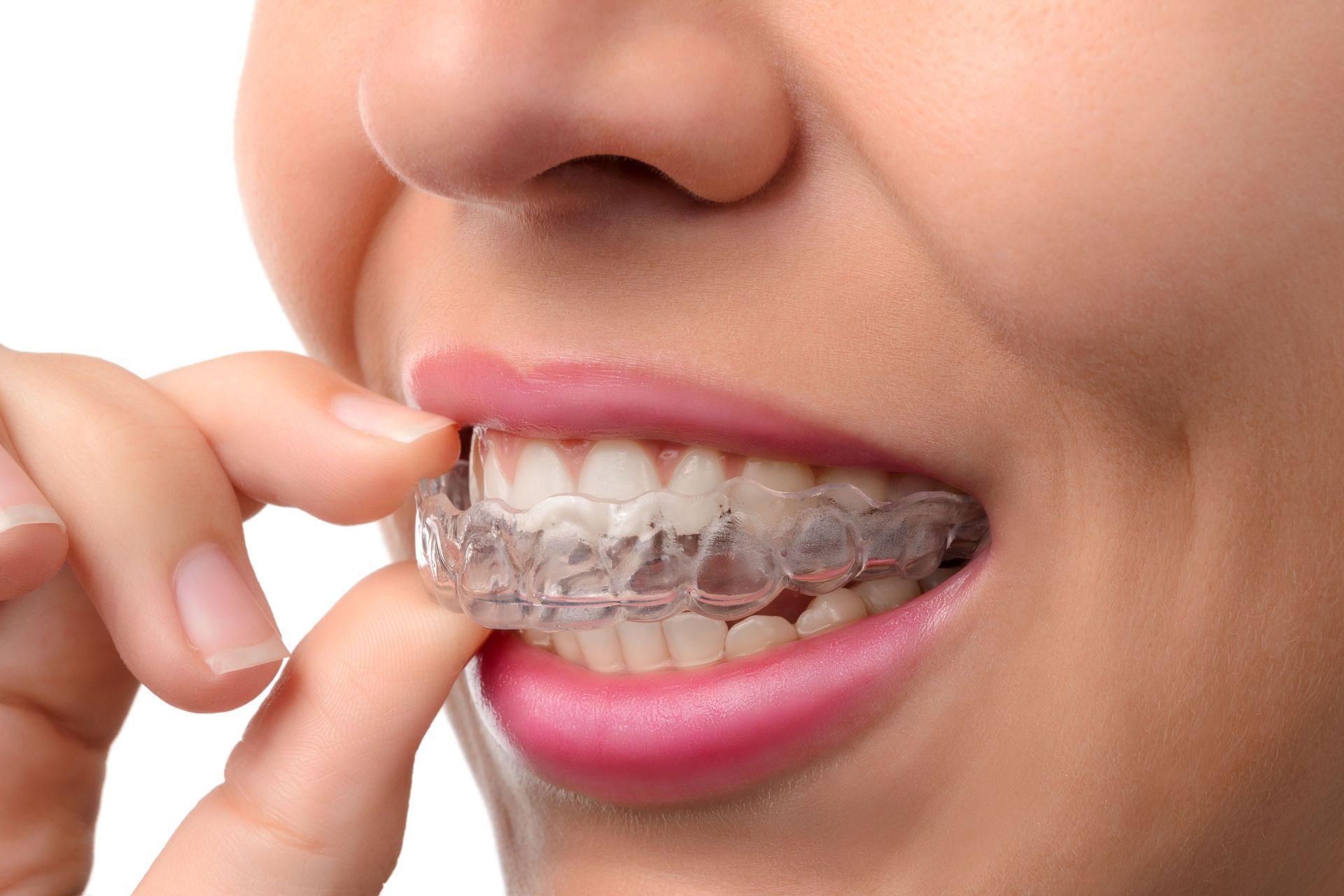
Clear aligners appeal to many patients because they are removable and less noticeable than conventional braces. However, they are not necessarily the most appropriate solution for every orthodontic condition.
When discussing treatment at an orthodontists office, the orthodontist should explain the advantages, limitations, and practical considerations associated with each suitable option.
Discussing Your Personalized Treatment Plan
Once potential treatment options have been identified, the orthodontist can begin outlining a personalized treatment plan. This discussion focuses on the recommended approach, anticipated treatment progression, and expected outcomes.
Treatment timelines vary because each patient’s teeth respond differently to orthodontic movement. Factors such as alignment complexity, jaw development, and treatment cooperation can influence overall duration.
Your orthodontist may explain which teeth require movement, whether bite correction is necessary, and what changes you might expect throughout treatment. Some patients need relatively straightforward alignment adjustments, while others require more comprehensive correction.
At an orthodontists office, personalized planning helps ensure treatment recommendations reflect your specific dental concerns rather than a standardized approach.
The orthodontist may also discuss oral hygiene expectations, dietary considerations associated with certain appliances, and the importance of attending scheduled appointments. These conversations help patients understand their responsibilities before committing to treatment.
Reviewing Treatment Costs and Payment Options
Financial considerations are another important part of the initial orthodontic consultation. Before beginning treatment, patients generally want to understand the estimated cost, available payment arrangements, and potential insurance benefits.
Orthodontic costs vary depending on treatment complexity, appliance selection, and anticipated duration. The office team may provide a financial estimate based on the recommended treatment plan.
If you have dental insurance, staff members may help explain available orthodontic benefits and whether your coverage includes specific treatment options. Insurance policies differ considerably, so eligibility and reimbursement amounts depend on individual plan provisions.
Many orthodontic practices also offer financing arrangements or payment plans designed to make treatment expenses more manageable. Available options should be discussed directly with the practice.
Visiting an orthodontists office gives you an opportunity to ask financial questions before making a commitment. Understanding the expected investment can help you evaluate treatment options without unnecessary uncertainty.
Clear communication about costs, insurance, and payment expectations supports a more comfortable decision-making experience.
Preparing for Your Orthodontic Treatment Journey
Before your consultation concludes, the orthodontic team will typically review the recommended next steps. Depending on your examination findings, these may involve scheduling additional diagnostic records, coordinating dental care, or arranging an appointment to begin treatment.
Some patients may not require immediate orthodontic intervention. For children whose teeth and jaws are still developing, the orthodontist might recommend periodic monitoring until treatment becomes more appropriate.
Adults may also benefit from addressing existing dental concerns before orthodontic appliances are placed. Healthy gums and teeth provide an important foundation for successful tooth movement.
Your initial appointment should leave you with a clearer understanding of your orthodontic needs and the options available to you.
A supportive orthodontists office encourages informed decisions and provides explanations that help patients feel comfortable throughout their treatment journey. You should never feel pressured to select a treatment without understanding the recommendations.
Beginning Your Journey Toward a Healthier Smile
Your first orthodontic consultation is an important opportunity to understand your dental alignment and explore ways to improve your smile. From reviewing your medical history to examining your bite and discussing treatment options, each part of the appointment contributes to a personalized evaluation.
Choosing an orthodontists office that prioritizes clear communication, thorough examinations, and individualized recommendations can make the treatment experience more reassuring. Whether you are seeking care for yourself or a family member, an informed consultation provides the foundation for confident orthodontic decisions.
At Dieguez Smiles Orthodontics, we are committed to helping patients understand their orthodontic needs and explore suitable treatment options. Our team takes the time to address your concerns, explain our recommendations, and help you feel comfortable about your next steps. Contact us today to schedule your initial consultation and discover how we can help you work toward a healthier, more confident smile.