November 2, 2026
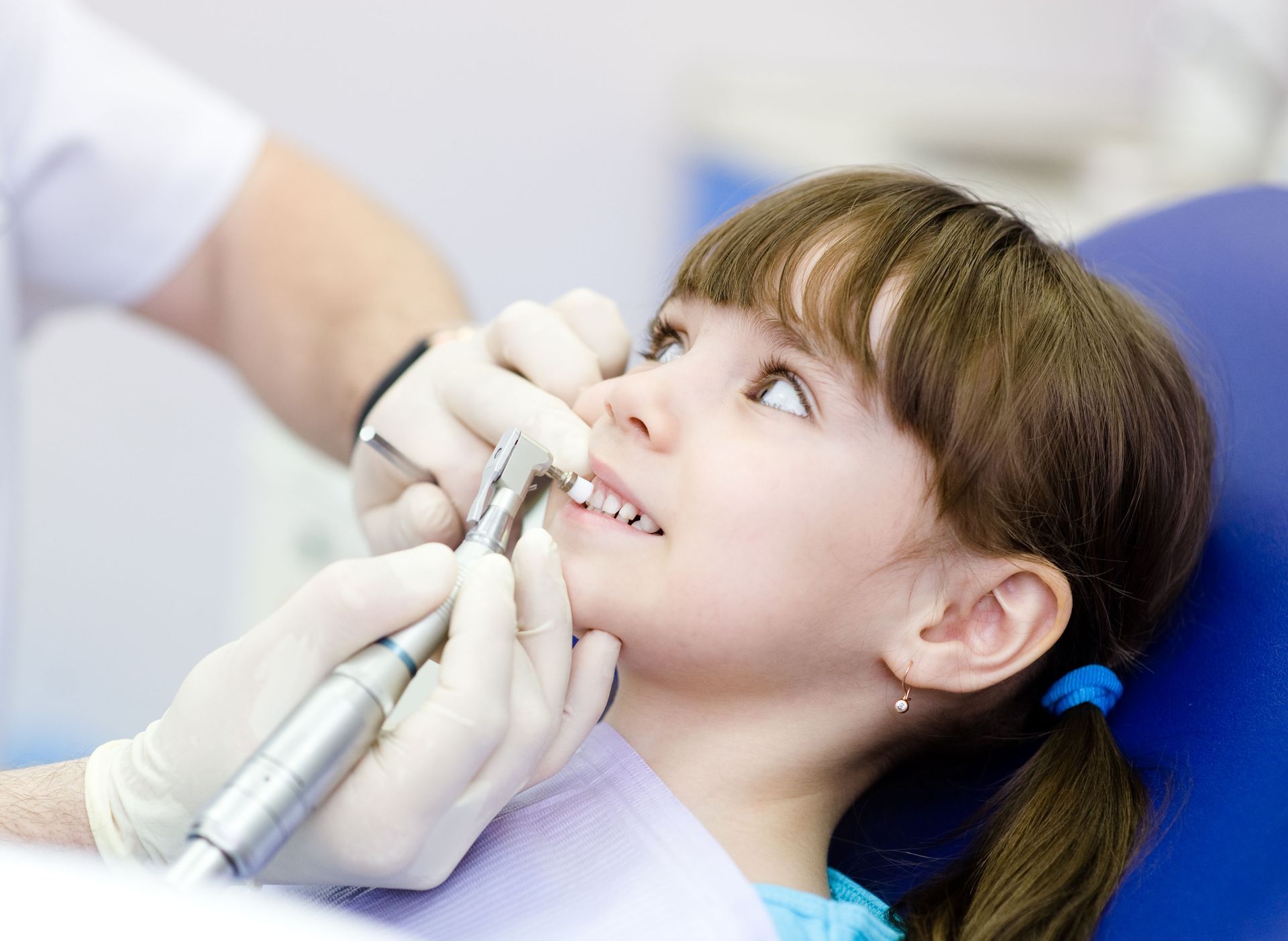
A child’s first orthodontic appointment can bring a mix of curiosity, excitement, and nervousness. They may wonder what the orthodontist will do, whether anything will hurt, or if they’ll need braces. Parents can help make the experience more comfortable by explaining what to expect, encouraging questions, and keeping the conversation positive. Preparing ahead of time also gives you an opportunity to discuss your child’s concerns and share information that may help the orthodontist understand their needs.
In this article, we’ll discuss how to prepare your child for their first orthodontic services appointment, from explaining the visit to helping them feel comfortable with the process.
Explain What Happens During the Appointment
Before the appointment, talk with your child about why they're visiting the orthodontist. Explain that the orthodontist will look at their teeth and smile to understand how their teeth fit together and whether they may benefit from treatment. Keep the explanation simple and appropriate for your child's age.
Avoid making the appointment sound like a test or something they need to prepare for perfectly. Instead, explain that the orthodontist is there to help answer questions and talk about ways to care for their smile. This can help your child approach the visit with curiosity rather than worry.
Children often feel more comfortable when they have a general idea of what will happen. Explain that the orthodontist may examine their teeth, look at their bite, and discuss possible treatment options. Depending on the appointment, the orthodontist may also recommend additional steps to learn more about their teeth.
Let your child know that they can ask questions at any point during the visit. If they aren't sure what something means, they can ask the orthodontist to explain it. Familiarizing them with the basic purpose of the appointment can make the experience feel less unfamiliar.
Address Concerns About Braces and Treatment
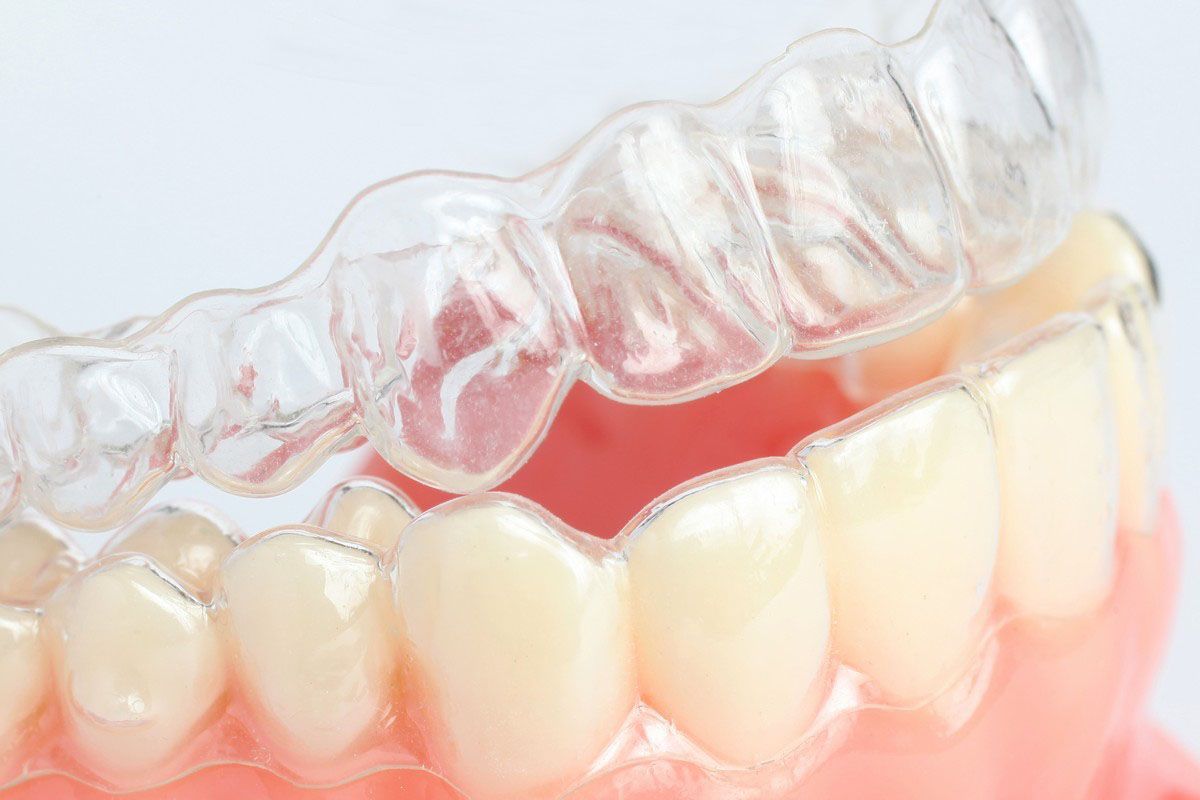
Your child may have questions about braces, retainers, or other orthodontic appliances. They might also have concerns about how treatment could affect their appearance or daily routines. Give them time to talk about these feelings instead of immediately trying to reassure them that everything will be fine.
Listen carefully and answer honestly. If you don't know the answer to a question, explain that the orthodontist can provide more information during the appointment. This approach helps your child understand that their concerns matter and that they don't need to know everything before arriving.
Avoid promising that your child will or won't need braces before the orthodontist has evaluated their teeth. The appointment is an opportunity to learn more about their individual needs and discuss potential next steps.
According to Healthline, ceramic braces may take between 18 and 36 months to straighten teeth. If ceramic braces are discussed during the appointment, this information can provide a starting point for asking about the expected treatment timeline. The orthodontist can explain what may be appropriate for your child's particular situation.
Help Your Child Feel Comfortable and Confident
The way you describe the appointment can influence how your child feels about it. Try to avoid language that makes the visit sound frightening or uncomfortable. Instead, focus on learning about their smile, meeting the orthodontist, and finding out whether any treatment may be helpful.
If your child expresses anxiety, acknowledge their feelings without making them seem unreasonable. You might explain that it's normal to feel unsure about something new and that you'll be there to support them. Reassure them that they can speak up if they feel uncomfortable or need an explanation.
Children may also feel self-conscious about their teeth, particularly if they've noticed differences between their smile and those of their friends. Avoid suggesting that their teeth need to look a certain way to be attractive or accepted.
Instead, emphasize that everyone's smile is different and that orthodontic care focuses on individual needs. If your child is concerned about how their teeth look, listen without criticizing their appearance. The goal is to help them feel supported rather than give them another reason to worry about their smile.
Prepare Questions and Information in Advance
Your child's first appointment is also an opportunity for you to understand their orthodontic needs. Before the visit, sit down together and write a short list of questions. Inviting your child to contribute helps them feel involved in the conversation.
Consider asking whether your child needs treatment now or whether waiting may be appropriate. You can also ask about potential treatment options, what the process involves, how long treatment might take, and how to care for teeth during treatment. Questions about future appointments, costs, and payment options can help you understand what to expect if treatment is recommended.
You don't need to cover every question during the first visit. Prioritize the concerns that matter most to your child and your family, and ask the orthodontist to explain anything that remains unclear.
Before leaving home, check whether the orthodontic office has requested any forms or information. Complete the necessary paperwork and gather any details the office has asked you to bring.
Think about your child's questions, concerns, and previous dental experiences that may be useful to discuss. If your child has particular worries about the appointment, you can mention them to the orthodontist so they can help address those concerns. Taking a few minutes to prepare can make it easier to focus on the conversation instead of trying to remember everything during the visit.
Discuss Treatment Options Without Creating Pressure
When the orthodontist explains possible treatment options, encourage your child to listen and ask questions. You can help clarify information, but give them opportunities to express their thoughts rather than speaking for them throughout the appointment.
If braces or another orthodontic appliance is recommended, ask the orthodontist to explain what it would involve. Your child may want to know how it will look, how to care for it, or whether it will change their usual routines. Having these questions answered directly can make the decision feel more manageable.
You don't have to make every decision immediately. Depending on the recommendations, you may need time to review the information, discuss costs, or consider the available options.
After the appointment, talk with your child about what they learned. Ask which parts made sense and whether anything still feels confusing. If they're worried about a recommendation, let them explain their concerns before discussing the next steps.
A thoughtful conversation can help your child feel included without placing the responsibility for treatment decisions entirely on them. Parents and orthodontic professionals can work together to determine the most appropriate plan.
Establish Positive Habits Before and After the Visit
The first orthodontic appointment can be a useful opportunity to discuss your child's existing oral care habits. Encourage regular brushing and other dental care practices recommended by their dental professional.
Rather than presenting oral care as a punishment or a list of rules, explain how these habits help them look after their teeth. If treatment is recommended, ask the orthodontist whether your child's routine needs to change.
You can also encourage your child to take an active role in their own care. Depending on their age, this may mean remembering their toothbrush, following instructions, or asking for help when they aren't sure what to do.
Your child may think of additional questions once they've had time to process the visit. Make space for those questions instead of assuming that the conversation ends when you leave the office.
Ready to take the next step toward your child's smile? Contact Dieguez Smiles Orthodontics to schedule an orthodontic consultation and learn more about the care options available for your child.