November 10, 2026
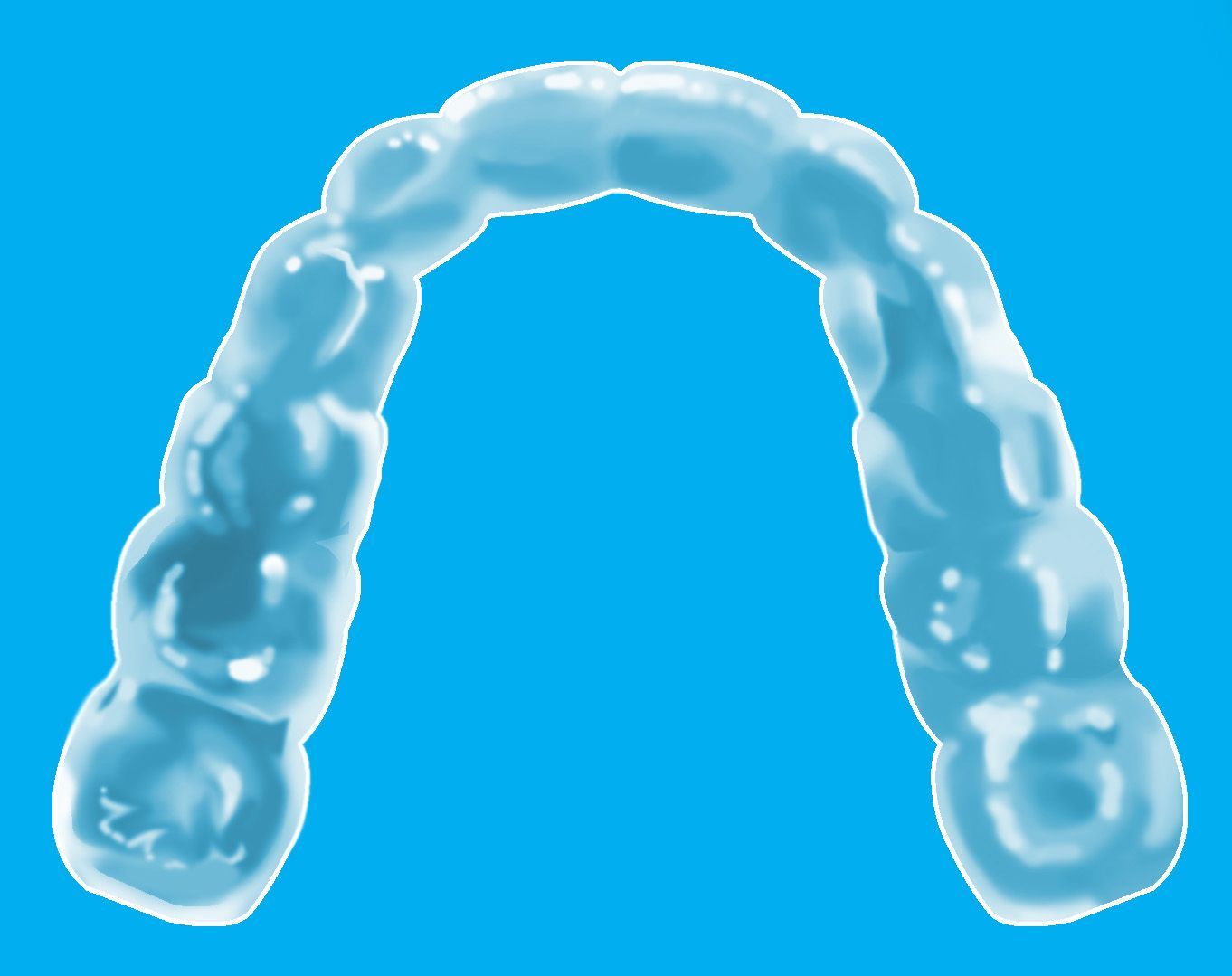
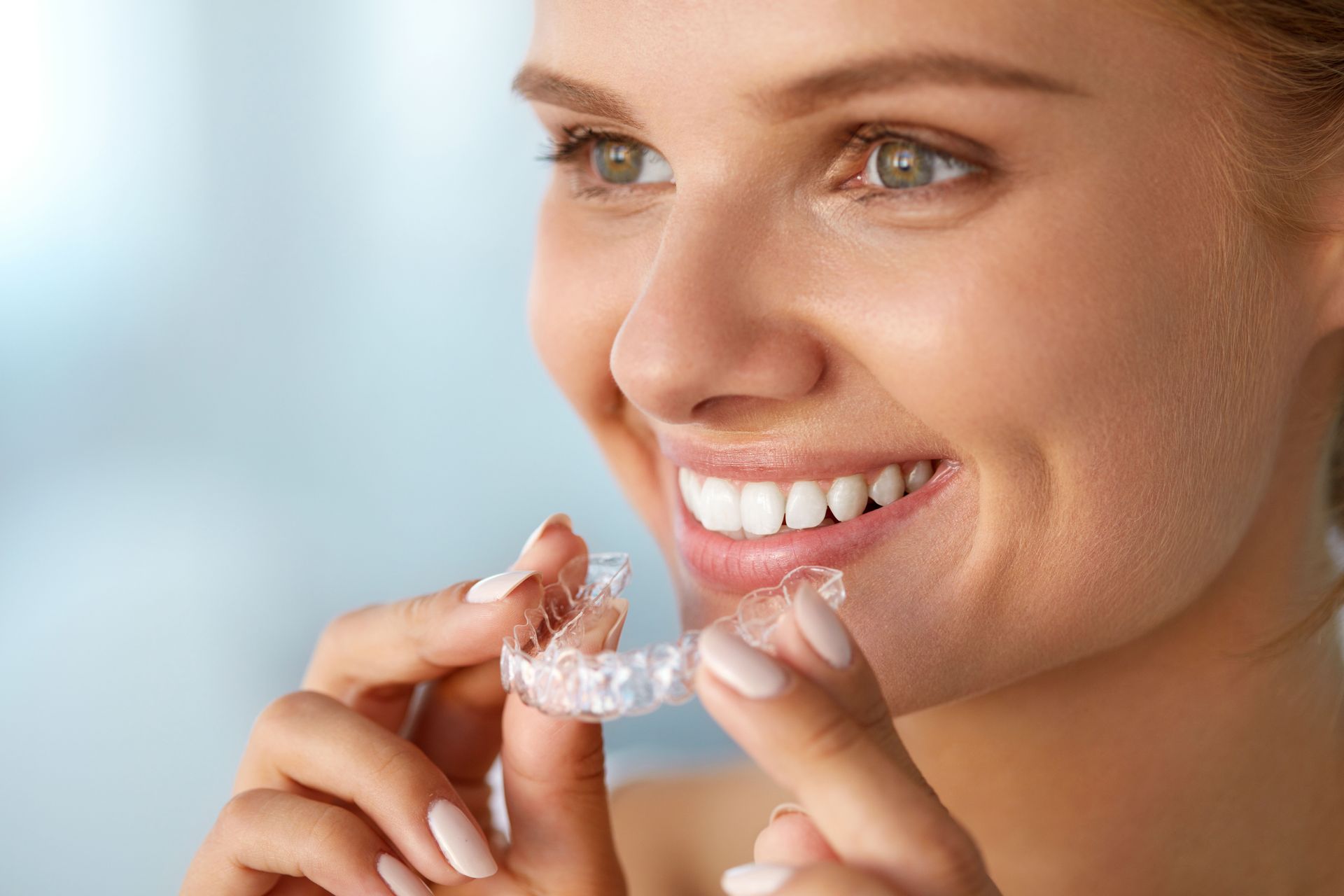
Achieving a beautifully aligned smile has become remarkably convenient with modern clear aligner therapy. Many patients embrace Invisalign because it offers an aesthetic, comfortable way to straighten teeth without the restrictions of traditional metal braces. However, the removable nature of these clear trays means your results depend entirely on personal discipline. Overlooking essential wear protocols, cleaning habits, or safety steps can quickly stall progress, compromise oral health, and prolong your time in care. By learning which common errors undermine alignment, you can maintain steady progress toward your smile goals. Here is an essential look at the missteps that can jeopardize your journey and how to avoid them.
Falling Short of Daily Wear Time Requirements
Unlike fixed braces that exert mechanical force around the clock, clear aligners only work while securely seated over your teeth. One of the most prevalent mistakes patients make is failing to keep appliances in place long enough each day. Removing trays for leisurely lunches, constant snacking, or social events steadily erodes active alignment time. According to the California Association of Orthodontists, Invisalign aligners must be worn 22 hours a day. When trays sit on your bathroom counter instead of your teeth, the continuous, gentle pressure necessary to stimulate healthy bone remodeling halts. Teeth naturally begin drifting backward into their original positions, causing tracking errors and extending your estimated timeline.
Drinking Hot or Pigmented Beverages with Aligners In
Clear aligners are crafted from medical-grade thermoplastic materials designed to blend invisibly against your teeth. However, this specialized plastic remains vulnerable to heat and heavy pigments. Sipping hot coffee, warm tea, or broth while wearing trays can easily warp the delicate plastic. Once warped, trays lose the precise biomechanical pressure required to guide teeth along projected paths. Additionally, consuming dark liquids such as red wine, sodas, fruit juices, or iced tea while wearing Invisalign trays causes pigments to seep underneath the plastic. Trapped beverages stain both enamel and aligners, while trapped sugars create a breeding ground for harmful oral bacteria.
Skipping Oral Hygiene Before Reinserting Trays
Clear aligners fit snugly against enamel, creating a tight seal over your teeth. Popping trays back into your mouth immediately after eating without brushing traps food particles and carbohydrates directly against tooth surfaces. Because the plastic barrier prevents saliva from washing away debris and neutralizing acid, trapped bacteria multiply rapidly. This enclosed environment accelerates enamel demineralization, visible white spots, bad breath, and cavities. Even when enjoying a meal away from home, you should always rinse thoroughly with water and make brushing and flossing non-negotiable before seating your trays for extended wear.
Scrubbing Aligners with Harsh or Abrasive Cleaners
Because clear aligners remain in the mouth for nearly twenty-two hours daily, they inevitably gather plaque, saliva, and microscopic bacteria. Diligent cleaning is vital, but using regular commercial toothpaste and stiff toothbrushes is a serious mistake. Most toothpastes contain abrasive particles, such as calcium carbonate or silica, designed to scrub enamel. When applied to clear plastic, these abrasives create microscopic scratches across the surface. These fine scratches scatter light, turning transparent trays cloudy and noticeable. Moreover, these grooves harbor odor-causing bacteria that are difficult to eliminate. Avoid soaking your Invisalign aligners in harsh mouthwashes or boiling water; choose mild liquid soap or specialized cleansing crystals instead.
Leaving Trays Exposed Outside the Protective Case
The habit of wrapping aligners in a paper napkin during meals is one of the easiest ways to lose them. Restaurant servers and family members frequently throw napkin-wrapped trays straight into the trash. Furthermore, setting bare trays on bedside tables, bathroom counters, or desks exposes them to airborne dust, pathogens, and household pets. Domestic dogs and cats are attracted to the scent of saliva on plastic and can chew aligners beyond repair in seconds. Whenever appliances are not in your mouth, they should reside securely inside their hard-shell case. Building this consistent protective habit saves you from costly replacement fees, unexpected delays, and unnecessary stress.
Switching to New Sets Ahead of Schedule
Clear aligner treatment relies on a carefully orchestrated biological process in which each set moves teeth by microscopic increments. Feeling that your current tray has loosened after several days can tempt you to advance to the next set prematurely. However, rushing your Invisalign treatment without clinical approval can lead to severe orthodontic complications. Teeth require adequate time not only to shift but also for surrounding alveolar bone and periodontal ligaments to remodel and stabilize. Advancing prematurely can cause root resorption, severe tooth mobility, and poor tray tracking. Always wear each aligner for the exact number of days prescribed by your orthodontic provider before moving forward.
Neglecting the Routine Use of Aligner Chewies
Even if you meet your daily hourly wear requirements, aligners cannot effectively move teeth if they do not seat fully against incisal and occlusal surfaces. Pushing trays onto your dental arches with your fingers or biting them roughly into place frequently leaves subtle air gaps, particularly around bonded attachments. Overlooking the use of aligner chewies—small foam rolls designed to help seat trays—prevents appliances from exerting proper directional force. Chewing firmly on these tools for several minutes in the morning and evening eliminates tiny gaps, seats trays completely, and ensures seamless tracking. Consistent chewy usage keeps your smile progression perfectly on schedule.
Discarding Previous Trays Before Finishing Care
When you transition to a new set of trays, throwing away the previous set might seem like a simple way to keep your bathroom organized. However, tossing past trays leaves you without a safety net if an unexpected mishap occurs. If your current set cracks, warps, or gets lost while traveling, teeth will begin shifting backward while you wait for a replacement. Maintaining your immediate prior set during your Invisalign process provides essential backup protection. Wearing your previous tray prevents teeth from relapsing while your doctor orders a replacement, ensuring you do not lose months of progress over a minor accident.
Missing Scheduled Orthodontic Monitoring Checkups
Because clear aligner therapy requires fewer in-person visits than traditional bracket systems, some patients assume they can navigate the entire process with minimal supervision. Postponing or skipping your progress appointments eliminates essential clinical oversight. During routine checkups, your orthodontist checks whether each tooth is tracking according to your digital treatment plan, verifies attachment integrity, and checks interproximal contacts. If subtle tracking errors occur, an experienced specialist can make prompt corrections before minor issues become major setbacks. Attending every scheduled appointment ensures that your Invisalign treatment stays on track and finishes within the estimated timeframe.
Forgetting Retainers After Completing Active Treatment
Finishing your final active aligner tray is an exciting accomplishment, but reaching this stage does not conclude your smile journey. The period immediately following active tooth movement represents the time when your smile is most susceptible to relapse. The bone, collagen fibers, and surrounding gum tissues need months to fully remodel and solidify around newly shifted teeth. Forgetting to wear your retainer regularly allows natural chewing pressures and elastic tissue memory to pull teeth back toward their former misaligned positions. Committing to consistent retainer wear safeguards your investment and preserves your straight smile for a lifetime.
Navigating clear aligner therapy successfully requires daily consistency, excellent hygiene, and strict adherence to professional guidance. By wearing your appliances for the recommended hours, protecting them from damage, and attending all scheduled visits, you ensure that your treatment delivers the stunning, healthy results you expect. If you are ready to achieve a straight, healthy smile with Invisalign, schedule a consultation with Dieguez Smiles Orthodontics to begin your transformation with expert guidance.