November 14, 2026
Orthodontic treatment can benefit adults who want to improve dental alignment, correct bite concerns, or address teeth that have shifted over time. Modern treatment options accommodate different needs and preferences. For Alabama adults, consulting local orthodontists provides an opportunity to explore suitable treatments, understand expected timelines, and prepare for the adjustments involved in achieving a healthier, more balanced smile.
Understanding Why Adults Consider Orthodontic Treatment
People seek orthodontic treatment at different stages of life for various reasons. Some adults had braces when they were younger but experienced shifting teeth over time. Others may have postponed treatment because of financial considerations, personal circumstances, or concerns about wearing braces during their school years or early careers.
Teeth naturally experience changes throughout adulthood. Age-related changes, dental habits, and the loss of teeth can contribute to shifting or changes in alignment. As a result, someone who previously had straight teeth may eventually notice crowding, spacing, or changes in their bite.
Orthodontic treatment can address several alignment concerns, including crooked teeth, gaps, overlapping teeth, overbites, underbites, and crossbites. Improving these conditions may also make certain areas easier to clean, supporting everyday oral hygiene.
Adults may also pursue treatment because they want to feel more comfortable with their smiles. Feeling confident when speaking, laughing, or taking photographs can be meaningful at any age. Local orthodontists can evaluate these concerns and explain how orthodontic care may help achieve the desired results.
Evaluating Dental Health Before Beginning Treatment
Before recommending an orthodontic approach, an orthodontist needs to understand the patient's current dental health. Adults may have different considerations than younger patients, particularly if they have existing dental restorations, missing teeth, gum concerns, or a history of dental procedures.
An initial consultation typically involves examining the teeth, gums, jaw alignment, and bite. Diagnostic records, such as dental X-rays, photographs, and digital scans or impressions, may also be used to evaluate tooth positioning and develop an appropriate treatment plan.
Healthy gums and supporting bone are important considerations because orthodontic treatment gradually moves teeth through the surrounding bone. If gum disease or another dental concern is present, it may need to be addressed before orthodontic treatment begins.
Previous dental work can also influence treatment planning. Crowns, bridges, implants, and other restorations may affect which movements are appropriate. An orthodontist considers these factors when determining how to approach alignment without overlooking existing dental needs.
For adults considering braces, local orthodontists can explain the evaluation process and identify any concerns that should be addressed before treatment starts. This preparation helps establish realistic expectations and supports a treatment plan based on individual needs.
Exploring Orthodontic Options Available to Adults
Adults have access to several orthodontic options, depending on their alignment concerns and treatment goals. Traditional metal braces remain a common choice because they use brackets and wires to apply controlled pressure that gradually moves teeth into their intended positions.
Ceramic braces offer a similar approach but use tooth-colored or clear brackets. Their appearance may be less noticeable than traditional metal braces, making them an option for adults who prefer a more subtle treatment experience.
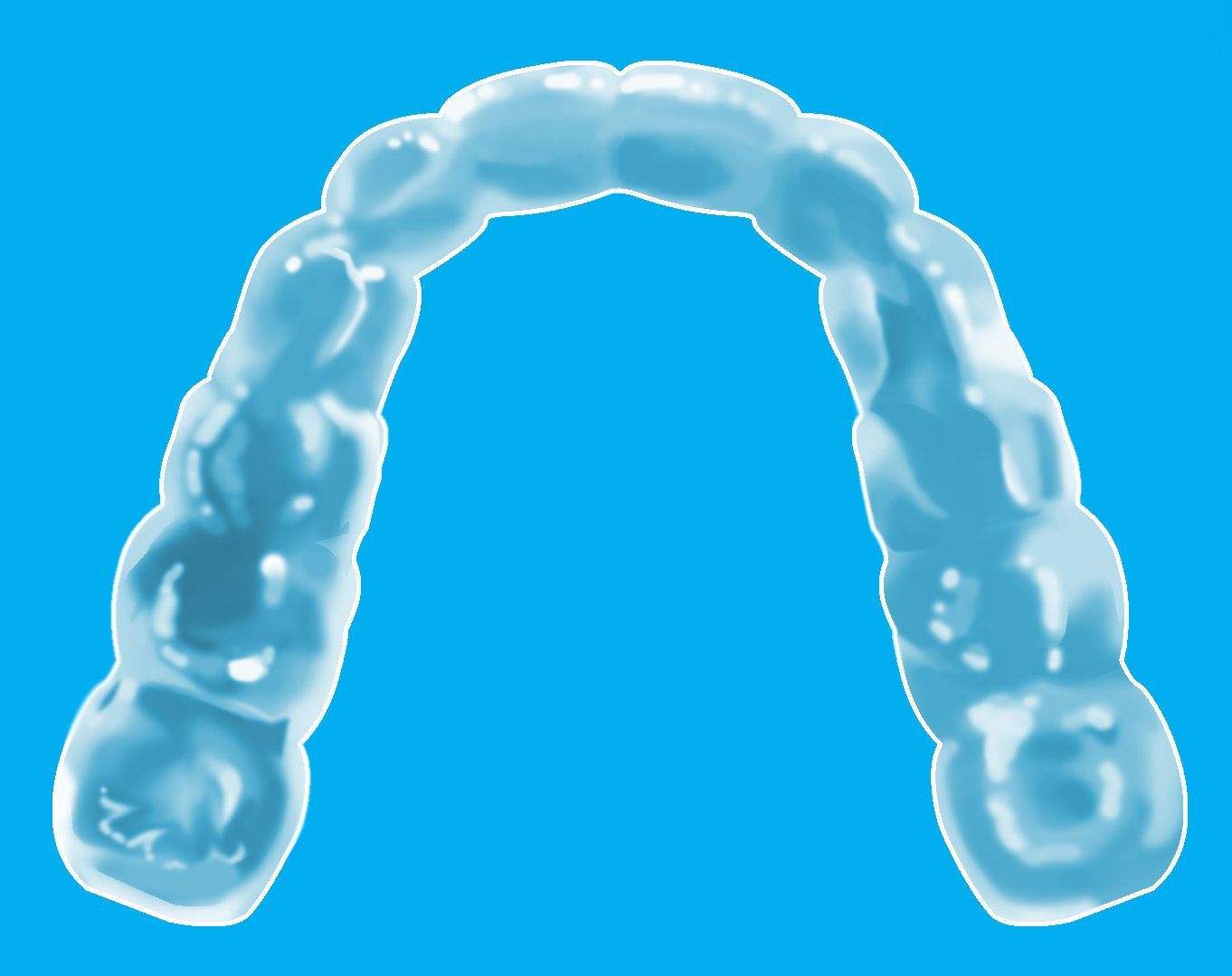
Clear aligners provide another alternative for certain patients. These removable trays are designed to move teeth gradually through a series of planned adjustments. They can be removed for meals, brushing, and flossing, although consistent wear is necessary to support the treatment plan.
Not every orthodontic option is appropriate for every case. The complexity of the alignment concerns, bite relationship, and expected tooth movements all influence which approach may be suitable.
Discussing these choices with local orthodontists allows adults to understand the differences between treatment methods, including their limitations, maintenance requirements, and expected timelines. The goal is to select an approach that addresses dental needs while fitting reasonably into everyday life.
Preparing for the Adjustment Period
Beginning orthodontic treatment involves an adjustment period as the mouth becomes accustomed to the appliances. With braces, the brackets and wires may initially create a sensation of pressure or mild soreness. Some patients also notice temporary irritation inside their cheeks or lips as the mouth adjusts.
These experiences are generally most noticeable during the first few days after placement or following certain adjustment appointments. The sensation often becomes easier to manage as patients become familiar with their appliances.
Eating habits may also require some temporary changes. Foods that are particularly hard, sticky, or chewy can damage braces or make eating uncomfortable. Choosing softer foods during periods of sensitivity can make the adjustment process easier.
Patients wearing clear aligners have different considerations. They must become accustomed to inserting and removing their trays and maintaining consistent wear according to their orthodontist's instructions. Cleaning the aligners and keeping up with oral hygiene are also important parts of the routine.
Adults with busy schedules may initially need time to incorporate these habits into their day. Local orthodontists can explain what to expect during the early stages and provide guidance for managing common adjustments.
Understanding Treatment Timelines and Progress
One common question adults have is how long orthodontic treatment will take. The answer depends on the complexity of the alignment concerns, the treatment method, and how consistently the patient follows the recommended plan.
According to Humana, adults typically spend an average of three to four years wearing braces, compared with approximately two years for children. However, these figures are general averages rather than fixed timelines. Some adults may complete treatment sooner, while more complex cases can require additional time.
Adult treatment may take longer in certain situations because the jawbones have finished growing. Orthodontic treatment still works by gradually moving teeth through the surrounding bone, but the process requires careful planning and monitoring.
Regular appointments allow the orthodontist to evaluate progress and make necessary adjustments. Depending on the treatment method, these visits may involve changing wires, checking bracket placement, or providing the next set of aligners.
Patients should also understand that treatment does not always progress at exactly the same rate. Individual responses to orthodontic movement can vary, and the treatment plan may need adjustments as the teeth move.
Working with local orthodontists helps adults understand their expected timeline and stay informed about progress throughout treatment.
Maintaining Oral Hygiene During Treatment
Keeping teeth and gums healthy is particularly important while undergoing orthodontic care. Brackets, wires, and aligners can create additional areas where food particles and plaque collect, making consistent oral hygiene essential.
Patients with traditional braces need to pay attention to the spaces around brackets and underneath wires when brushing. Flossing also requires additional care to reach between teeth and along the gumline. Special orthodontic cleaning tools may help patients maintain their regular hygiene routines.
Clear aligners require a different approach because the trays are removable. Patients should follow their orthodontist's cleaning instructions and maintain good oral hygiene before putting the aligners back in place. Wearing trays over unclean teeth can contribute to plaque accumulation and other dental concerns.
Regular dental checkups, professional cleanings, and consistent oral hygiene help maintain dental health during and after treatment. Local orthodontists also recommend following retainer instructions to prevent shifting. Continued retainer use and routine dental visits help adults preserve their alignment and support lasting orthodontic results.
Orthodontic treatment represents an investment in long-term dental alignment. Dieguez Smiles Orthodontics helps patients explore orthodontic options and understand the steps involved in improving their smiles.
Adults who have been considering treatment can take the first step by discussing their goals and dental needs with an orthodontic professional. Contact Dieguez Smiles Orthodontics today to schedule a consultation and learn more about orthodontic treatment options.